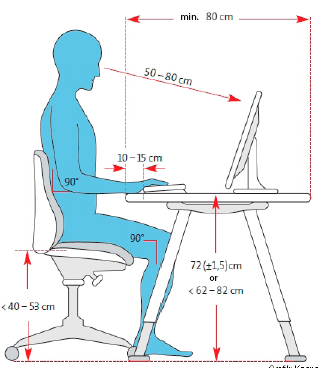
Architectural physiology is the study of adapting buildings, spaces, components, furniture, and mechanical systems to human needs in order to promote health, well-being, and performance. Key issues include anatomy-based measurements and the medical, ergonomic, and safety requirements of furniture. Another important consideration is accessibility, which enables people with physical disabilities to participate in everyday life.